
Why Your Living Room Still Feels Cold Even After Turning Up the Heat
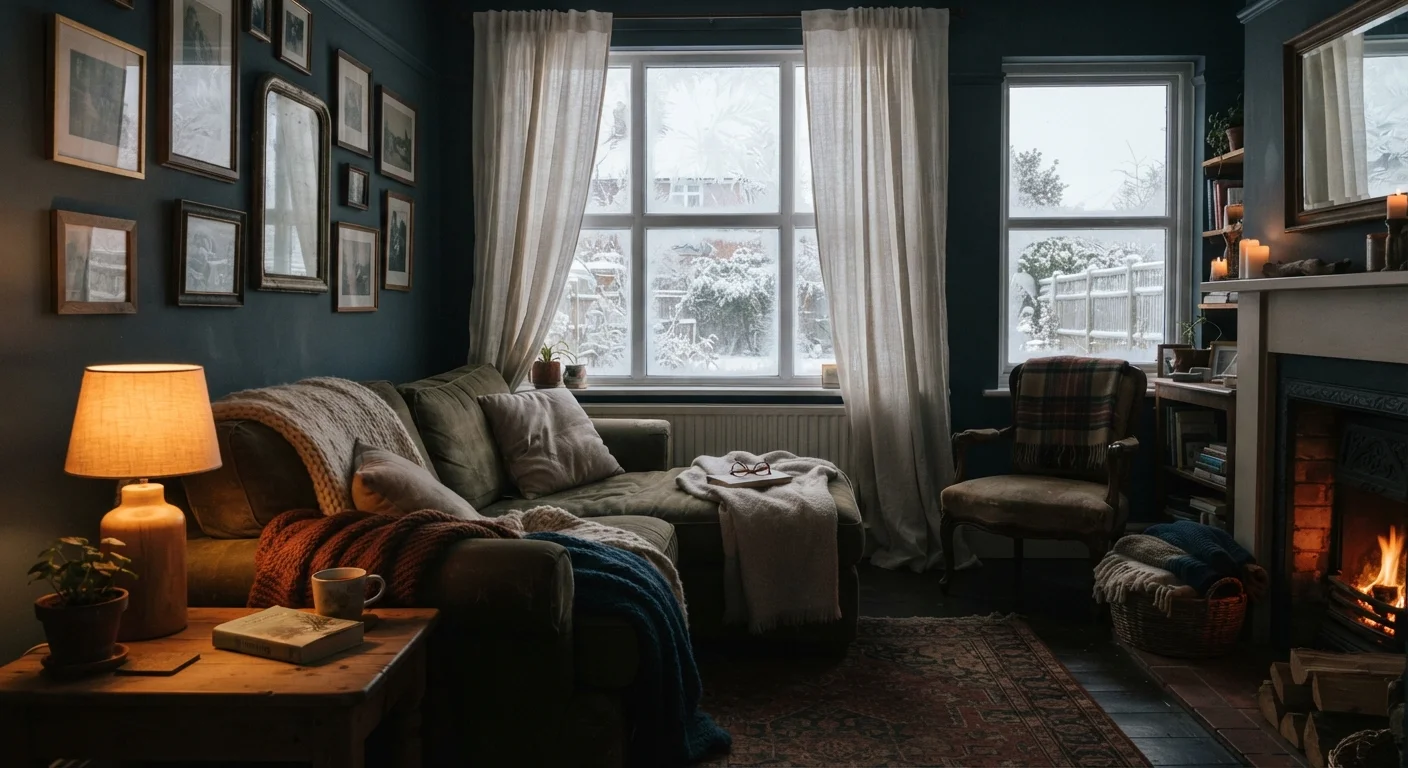
Photo credit: TrendingFaqs.com
In this article
Drafts, furniture placement, and insulation gaps can make a warm home feel chilly. Discover the common culprits and how to address each one.
Key Takeaways
- Drafts around windows and doors can counteract your heating system even when it runs correctly.
- Furniture blocking vents forces warm air to circulate poorly throughout the room.
- Bare floors and uncovered windows release heat faster than most homeowners expect.
- Simple, low-cost fixes like draft stoppers and area rugs can meaningfully improve comfort.
Why the thermostat reading and the room temperature don't always match
Your thermostat reads 70 degrees, the furnace has been running for an hour, and yet you are still reaching for a blanket. This frustrating gap between what the heating system reports and what your body feels is one of the most common cold-weather complaints in American homes.
Heat moves in three ways: convection (warm air rising and circulating), conduction (heat transferring through solid surfaces), and radiation (warmth traveling directly from a surface to a person). When a room feels cold despite the furnace working, something in that system is interrupted. The fix depends on identifying which link is broken, and the culprit is usually one of a handful of repeatable mistakes.
Common mistakes that make a heated living room feel cold
The errors below are easy to overlook because each one seems minor on its own. Together, they can drop the perceived temperature in a room by several degrees.
Leaving gaps around windows and exterior doors unsealed.
Why it happens: Most homeowners assume windows and doors seal tightly when closed. Weatherstripping degrades over time, and small gaps become invisible gaps that still let cold air seep in continuously.
Placing a sofa or large piece of furniture directly in front of a heating vent.
Why it happens: Living rooms are often arranged for sightlines to a television or fireplace, and vents are positioned along walls that happen to be natural furniture spots. People rarely think of the vent location when choosing furniture placement.
Skipping an area rug on a cold hard floor.
Why it happens: Hardwood, tile, and laminate floors look clean and are easy to maintain, so many people skip rugs for aesthetic reasons. But bare floors conduct heat away from feet and lower the perceived room temperature even when the air temperature is adequate.
Keeping curtains open after dark, allowing glass to radiate cold into the room.
Why it happens: People often leave curtains open in the evening out of habit or to keep the room feeling open. Single-pane and older double-pane windows lose heat rapidly once outdoor temperatures drop.
Ignoring a dirty or clogged furnace filter, which reduces airflow throughout the system.
Why it happens: Filters are easy to forget because they are out of sight. A clogged filter forces the furnace to work harder while delivering less warm air to the rooms it serves, and living rooms at the end of long duct runs are often the first to suffer.
Leaving fireplace dampers open when the fireplace is not in use.
Why it happens: Homeowners sometimes forget to close the damper after a fire dies down, or assume the damper is sealed well enough. An open damper in a traditional masonry fireplace creates a direct chimney draft that pulls warm room air upward and out.
Addressing even two or three of these issues in the same room typically produces a noticeable improvement in comfort without any change to the thermostat setting.
Quick upgrades that actually help
When to call a professional
If your living room stays cold even after addressing drafts, vents, and insulation gaps, the issue may be with the ductwork, furnace output, or home insulation levels. A licensed HVAC technician can perform a system assessment and check for duct leaks. For wall or attic insulation concerns, a certified home energy auditor can identify gaps that are not visible to the naked eye.
Once you have identified which mistakes apply to your living room, the corrections are mostly low-effort and low-cost. Door draft stoppers, available at any hardware store, block the gap under exterior doors. Foam weatherstripping tape seals around window frames in under thirty minutes and costs only a few dollars per window.
For furniture layout, stand at the main vent and watch where the air flows when the heat turns on. Move seating so it receives that airflow rather than sitting in front of the vent opening. An area rug covering most of the floor, particularly over concrete slab or above an unheated crawlspace, reduces conductive heat loss considerably.
Thermal curtains or heavy drapes hung close to the window frame reduce the cold radiating off glass at night. Opening them during sunny daylight hours lets solar gain add free warmth to the room, then closing them at dusk traps that heat in. These two habits combined can change how the room feels without touching the thermostat.

Author
Home Editorial Team
Home Editorial Team is the collective byline for our editorial team and contributor network. Articles published under this byline or an editorial pen name are researched, written, and reviewed according to our editorial standards for clarity, consistency, and independence before publication.
View all articles →