
Comprehensive vs. Collision Coverage: Which Situations Each One Handles
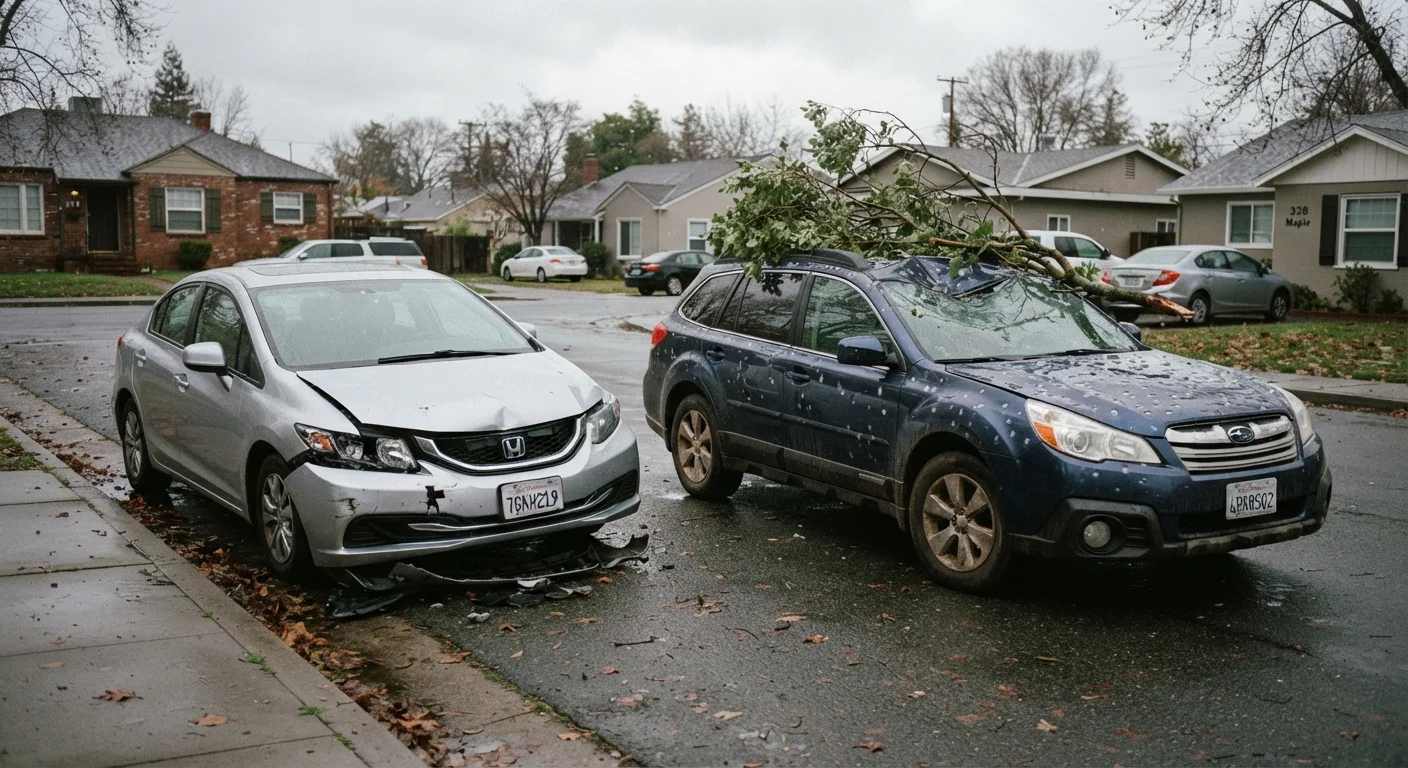
Photo credit: TrendingFaqs.com
In this article
Collision and comprehensive coverage are often confused. This breakdown clarifies when each applies and what it pays for.
Key Takeaways
- Collision pays for damage when your car hits another vehicle or object; comprehensive pays for most other types of damage.
- Neither coverage pays for injuries to you or others, and neither replaces liability coverage.
- Both carry a deductible, which is the amount you pay out of pocket before insurance kicks in.
- Lenders typically require both if you finance or lease a vehicle.
- A car with low market value may not justify the cost of carrying both types.
What each type of coverage actually does
Collision coverage pays to repair or replace your vehicle when it makes contact with another car or a fixed object, like a guardrail, a tree, or a parking structure pillar. It applies whether you caused the accident or another driver did, though if the other driver is at fault and carries liability insurance, their policy may cover your damages instead. Collision does not pay for medical bills, damage to other cars, or anything other than physical damage to your own vehicle.
Comprehensive coverage pays for damage caused by events that are outside your control and do not involve a collision. Common examples include theft, vandalism, fire, flooding, hail, falling objects (such as a tree limb), and striking an animal. It also covers glass damage in many policies, though some insurers sell glass coverage separately. Like collision, comprehensive does not pay for injuries or for damage to another person's property.
Together, the two cover a wide range of physical damage scenarios. Neither, however, replaces liability coverage, which is required in nearly every U.S. state and pays for harm you cause to others.
How to tell which one applies to a specific situation
A quick way to think about it: if your car ran into something, collision applies. If something happened to your car while it was just sitting there, or if a force of nature was involved, comprehensive is more likely to apply.
| Criterion | Collision coverage | Comprehensive coverage |
|---|---|---|
| What triggers a claim | Contact with another vehicle or object | Theft, weather, animals, fire, vandalism |
| Deer strike | Not covered | Covered |
| Hail damage | Not covered | Covered |
| Rollover accident | Covered | Not covered |
| Vehicle theft | Not covered | Covered |
| Flooding | Not covered | Covered |
| Parking lot fender bender | Covered | Not covered |
| Deductible applies | Yes | Yes |
| Required by lenders | Usually yes | Usually yes |
There are a few situations that trip people up. Hitting a deer is covered by comprehensive, not collision, even though the car physically strikes the animal. Flooding is comprehensive. Hail damage is comprehensive. A crack in your windshield from a rock kicked up on the highway may fall under comprehensive glass coverage depending on your policy wording. A rollover accident, which involves no second vehicle or fixed object, is still covered by collision because the car itself was in motion and made contact with the ground.
When in doubt, call your insurer before filing. Claims categorized incorrectly can affect your deductible and sometimes your premium. Your policy documents are the authoritative source; general explanations like this one set the framework, but individual policies vary. For a broader look at how exclusions and limits shape what you can claim, see what an insurance policy actually covers.
Deductibles, premiums, and the math of keeping both
Both collision and comprehensive come with a deductible, which is the fixed dollar amount you pay toward a claim before your insurer pays the rest. Common deductibles run from $250 to $1,500. A higher deductible lowers your monthly premium but raises your out-of-pocket cost after a loss. Deductibles, premiums, and how the two interact is worth reviewing if you are weighing whether to adjust yours.
Collision coverage typically costs more than comprehensive because accidents happen more often than hail or theft. The combined cost of both coverages on a single vehicle varies widely based on the car's value, your location, your driving history, and the deductible you choose. Insurers do not publish universal rate tables, so actual quotes depend on your specific profile.
One practical check: compare what you would pay in premiums over a year against the current market value of your car. If your car is worth $4,000 and your combined annual premium for collision and comprehensive is $900 with a $1,000 deductible, the most the insurer would ever pay after your deductible is $3,000. Whether that math works for you depends on your financial cushion and how much you rely on the vehicle. This is general information, not personalized financial advice; a licensed insurance agent can run the numbers for your situation.
Coverage gaps are another thing to check. Common insurance coverage gaps covers the oversights that catch drivers off guard, including situations where collision and comprehensive may not go as far as people assume.
When lenders make the decision for you
If you financed your car through a bank or credit union, or if you are leasing, your lender almost certainly requires both collision and comprehensive coverage for the life of the loan or lease. The lender has a financial interest in the vehicle and wants it protected against physical damage.
If you drop either coverage and the lender finds out, they can purchase what is called force-placed insurance on your behalf and charge you for it. Force-placed policies protect the lender's interest, not yours, and they typically cost more than a standard policy. Keeping collision and comprehensive active is the cleaner path when you owe money on a vehicle.
Once the loan is paid off, the decision is yours. That is when many owners reassess whether the annual cost still makes sense given the car's age and value.

Author
Cars Editorial Team
Cars Editorial Team is the collective byline for our editorial team and contributor network. Articles published under this byline or an editorial pen name are researched, written, and reviewed according to our editorial standards for clarity, consistency, and independence before publication.
View all articles →