
When Your Insurance Claim Gets Denied: Common Reasons and What to Do Next
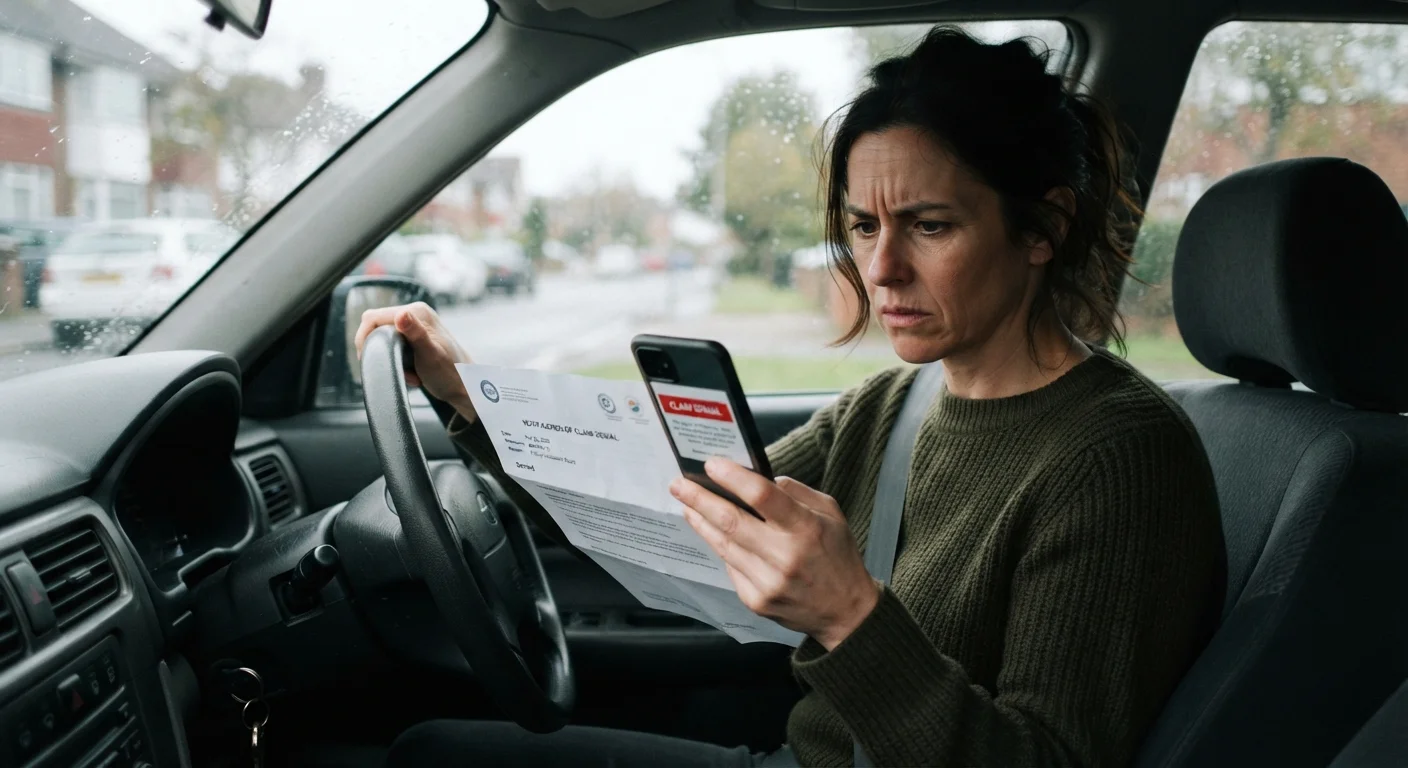
Photo credit: TrendingFaqs.com
Understand why auto insurance claims get denied and what steps you can take to respond or appeal the decision.
Key Takeaways
- Most claim denials trace back to policy exclusions, missed deadlines, or incomplete documentation.
- Reporting an incident late is one of the most common and avoidable reasons a claim gets rejected.
- You have the right to appeal a denial, and many reversals happen at the internal review stage.
- Reading your declarations page before an incident occurs reduces surprises when you file.
- A denial letter must explain the specific reason; use that reason to build your response.
Why auto insurance claims get denied
An insurance company denying your claim does not necessarily mean the company is acting in bad faith. In most cases, the denial comes down to a specific policy provision, a procedural requirement, or a documentation problem. Understanding the most common reasons helps you avoid them and respond effectively when something does go wrong.
Auto insurers deny claims for reasons that fall into a few broad categories: the loss is not covered under the policy you purchased, you did not follow the policy's procedural rules, the information in the claim does not hold up to review, or there was no active coverage at the time of the incident. The myths many drivers carry about auto insurance contribute to denials because people file expecting coverage that was never actually in their policy.
The mistakes below are the ones that come up most often. Each one is avoidable with some preparation.
Reporting the claim too late after the incident occurred.
Why it happens: Drivers sometimes wait to assess damage on their own, hope costs will be minor, or simply do not know their policy has a strict reporting window.
Filing a claim for something the policy does not cover.
Why it happens: Many drivers assume comprehensive or collision coverage is broader than it is, or they confuse add-on coverage they considered with coverage they actually bought.
Providing incomplete or inconsistent information on the claim.
Why it happens: Filing a claim right after a stressful accident often means rushing through forms, leaving fields blank, or accidentally describing the incident differently than the police report does.
Letting the vehicle get repaired before the insurer inspects it.
Why it happens: Drivers want to get back on the road quickly, so they take the car to a shop before the adjuster has a chance to document the damage.
Not understanding how a lapse in coverage affects a pending claim.
Why it happens: Drivers may not realize their policy lapsed due to a missed payment, especially with automatic renewals that fail when a card expires.
Accepting a denial without reviewing the reason or appealing.
Why it happens: The denial letter can feel final and authoritative, and many drivers do not know they have a formal right to challenge the decision.
What to do after a denial
Start by reading the denial letter from beginning to end. The insurer is legally required to cite the specific policy language or reason for the denial. Write down that reason before doing anything else.
Next, pull your actual policy document and find the section the insurer referenced. Compare the language carefully. Sometimes denials rest on a misapplication of a policy term, a clerical error in your file, or a missing document that you can still provide.
A denial is not always the final word
Every auto insurer is required to give you a written explanation for a denial. That letter is your starting point for an appeal. Many denials are overturned when the driver provides missing documentation or corrects a factual error in the initial claim. If the internal appeal fails, most states allow you to file a complaint with the state insurance commissioner.
If you believe the denial is an error, submit a written appeal to the insurer's claims department. Include any documentation that was missing from the original claim: repair estimates, photographs, witness statements, or a corrected account of the incident. Keep copies of everything you send.
If the internal appeal does not go your way, contact your state's department of insurance. Filing a complaint triggers a review of whether the insurer followed proper claims-handling procedures. This step does not guarantee a reversal, but it does put the denial on record and prompts a formal response from the company.
For broader context on how insurers assess risk and set policy terms, the article on how insurance underwriting works explains the process that shapes your coverage before you ever file a claim.
This article is for general informational purposes only and is not personalized insurance, legal, or financial advice. Coverage terms, exclusions, and appeal procedures vary by policy and by state. Read your actual policy documents and consult a licensed insurance professional for guidance specific to your situation.

Author
Cars Editorial Team
Cars Editorial Team is the collective byline for our editorial team and contributor network. Articles published under this byline or an editorial pen name are researched, written, and reviewed according to our editorial standards for clarity, consistency, and independence before publication.
View all articles →