
Garage or Driveway: Setting Up a Simple Home Maintenance Routine
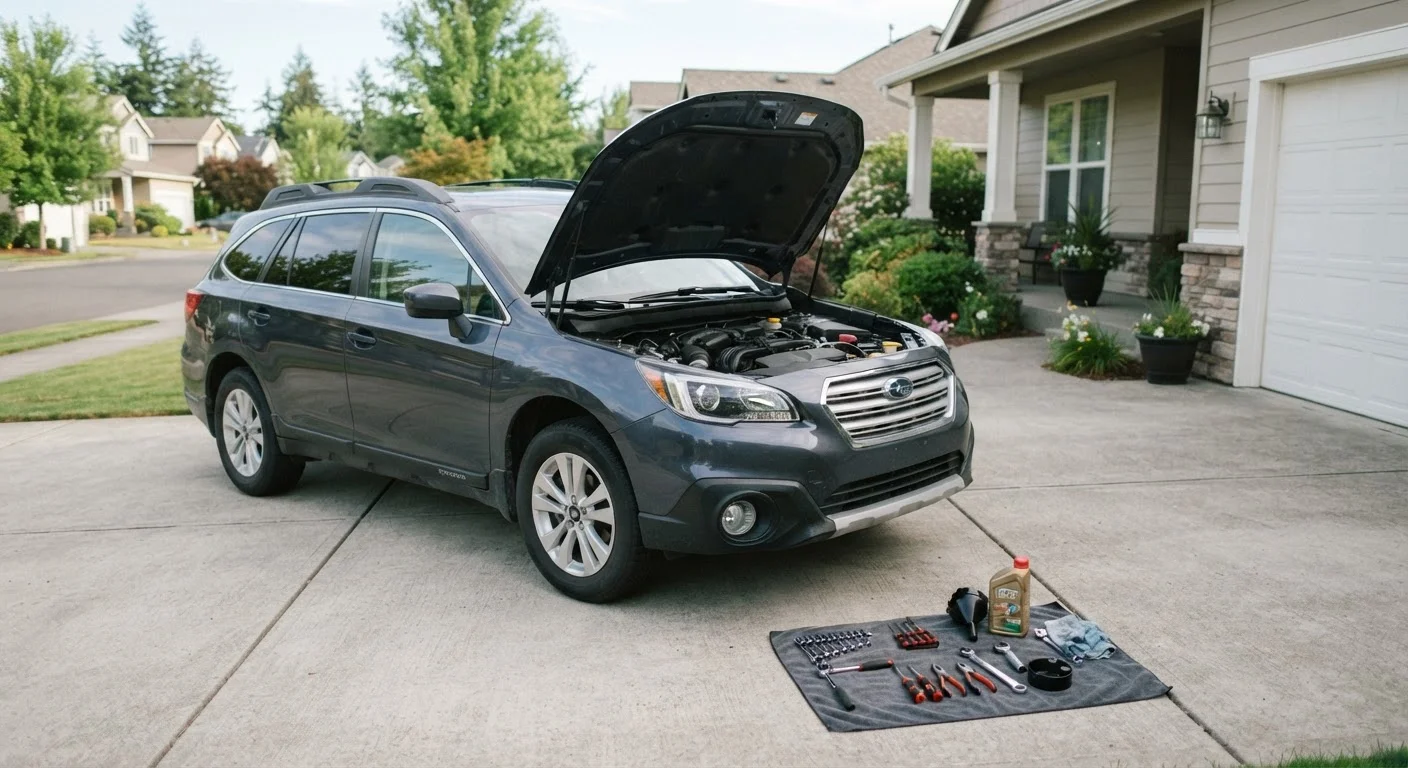
Photo credit: TrendingFaqs.com
You do not need a full shop to handle basic upkeep at home. This guide covers which tasks are driveway-friendly and how to build a simple routine.
Key Takeaways
- Most routine checks, like fluids, tires, and lights, can be done safely in a driveway without special equipment.
- A consistent schedule matters more than doing everything at once. Short, regular checks catch problems early.
- Knowing which tasks stay at home and which need a shop keeps you safe and saves unnecessary service visits.
- A small set of basic tools covers the majority of home maintenance tasks for most passenger vehicles.
- Tracking what you do and when removes the guesswork from your routine over time.
What you can realistically do at home
Home maintenance does not mean doing everything yourself. It means handling the straightforward checks and tasks that do not require a lift, specialized diagnostic equipment, or professional training. For most passenger cars and trucks, that list is longer than many drivers realize.
Tasks that work well in a garage or flat driveway include checking and topping off engine oil, coolant, brake fluid, and windshield washer fluid; inspecting tire pressure and tread depth; testing all exterior lights; replacing wiper blades; swapping cabin air filters; and keeping the battery terminals clean. None of these require the car to be raised off the ground, and none carry meaningful risk if you follow the steps carefully.
Tasks that belong at a shop include anything involving brake hardware, suspension components, transmission fluid on sealed systems, or work that requires the vehicle lifted safely on a proper hoist. If a job makes you uncertain about safety at any point, stopping and calling a mechanic is the right call, not a failure.
For more on deciding what to prioritize when time or money is limited, see our guide to car maintenance priorities.
What you will need
How to build your routine
A maintenance routine only works if it fits your actual schedule. The goal is a short monthly check with slightly deeper attention every three to six months, depending on how much you drive.
Check engine oil level and condition
Park on a level surface and let the engine cool for at least 10 minutes after driving. Pull the oil dipstick, wipe it clean with a rag, reinsert it fully, then pull it again. The oil level should fall between the two marks on the dipstick. Also look at the oil on the rag: dark brown is normal, but a milky or grayish color can indicate coolant contamination and warrants a shop visit. Top off with the oil grade listed in your owner's manual if the level is low.
Inspect tire pressure and tread
Check tire pressure when the tires are cold, meaning the car has not been driven more than a mile. Use a pressure gauge on each valve stem, including the spare if accessible. The correct pressure is on the sticker inside the driver's door jamb, not on the tire sidewall. Adjust as needed using an air compressor or a gas station air pump. While you are there, check tread depth by inserting a quarter into a tread groove with Washington's head pointing down: if you can see the top of his head, the tread is worn and replacement is due soon.
Check all fluid levels
With the engine cool, locate and check the coolant reservoir, brake fluid reservoir, and windshield washer fluid reservoir. Each has min and max markings on the side. Top off washer fluid freely. For coolant and brake fluid, only add the fluid type specified in your owner's manual. A brake fluid level that keeps dropping despite topping off signals a leak that needs professional attention immediately.
Test all exterior lights
Walk around the vehicle with the headlights on and check low beams, high beams, turn signals, brake lights, and reverse lights. For brake lights and reverse lights, back up to a wall or ask someone to watch while you press the pedal or shift to reverse. Burned-out bulbs are inexpensive and easy to replace on most vehicles using the procedure in your owner's manual. Some newer vehicles use sealed LED assemblies that need shop attention, so check first.
Replace wiper blades when needed
Wiper blades that streak, skip, or leave wide arcs across the windshield need replacing. Most blades last six to twelve months depending on climate. Replacement blades are sized by vehicle, so check your owner's manual or the lookup tool at an auto parts store before buying. Most blades attach with a simple hook or pinch-tab mechanism and swap out in under five minutes per blade with no tools required.
Log what you did and schedule your next check
Write down the date, current mileage, and everything you inspected or topped off. Note anything that seemed off, even if you are not sure what it means yet. Set a reminder for your next monthly check. If you drive frequently or have an older vehicle, shorter intervals make sense. Keeping this record also helps a mechanic quickly understand your vehicle's recent history if a problem develops later. The same discipline that makes small home routines effective applies here: consistency over intensity.
Set a consistent day each month
Pick a recurring day, such as the first Sunday of the month, and run through your checks then. Pairing the routine with something you already do, like washing the car or filling the gas tank, makes it easier to stick with. Consistency is what makes the routine useful over time.
Tracking what you do keeps the routine honest. A simple notes app entry or a paper log in the glove box, recording the date, mileage, and what you checked or changed, removes the guesswork when you try to remember if you topped off the coolant two months ago or six. This habit mirrors the logic behind routine upkeep for everyday devices: small, consistent attention beats infrequent scrambles.

Author
Cars Editorial Team
Cars Editorial Team is the collective byline for our editorial team and contributor network. Articles published under this byline or an editorial pen name are researched, written, and reviewed according to our editorial standards for clarity, consistency, and independence before publication.
View all articles →